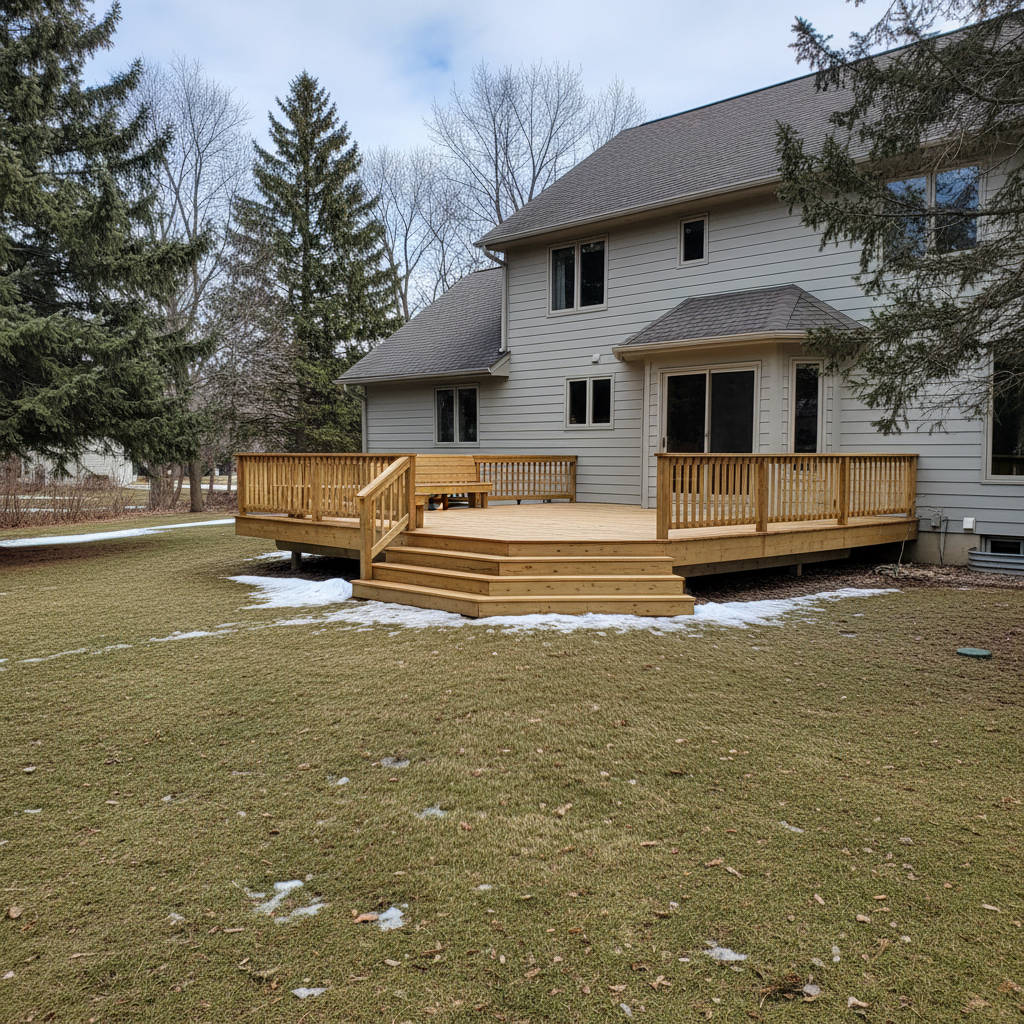
Got a wooden deck in North Oaks? It's a fantastic spot, isn't it? Perfect for grilling, kicking back, and just enjoying our beautiful, if sometimes too brief, summers. But you know as well as I do that Minnesota weather doesn't mess around. Your deck, whether it's made of cedar, redwood, or pressure-treated pine, really needs some TLC to handle the wild temperature swings we get around here.
I've been building and keeping decks in shape in this area for years. Believe me, I've seen firsthand what our climate does to wood. It's not just about how it looks, either; we're talking about protecting a real investment. So, let's chat about what our local weather means for your deck and how you can keep it looking great all year long.
Our North Oaks Climate & Your Deck: What You Need to Know
Our climate is pretty wild, right? We get these scorching hot, humid summers, then boom — freezing winters with tons of snow and ice. And don't forget the spring thaw and those fall rains. Every single season throws a different challenge at your deck's wood.
- Summer Heat & UV: The sun's UV rays are just brutal. They literally break down wood fibers, which leads to fading, those little cracks we call checking, and eventually, splintering. Humidity can also bring on mold and mildew if your deck isn't sealed or cared for properly.
- Fall Rains & Leaves: When wet leaves sit on your deck for a long time, they trap moisture. That's basically a perfect breeding ground for mold, mildew, and rot. Plus, some leaves can even stain your deck with their tannins.
- Winter Freeze/Thaw Cycles: This might be the absolute toughest on wood. Moisture seeps into the wood, freezes, expands, and then thaws. This constant push and pull causes cracks, warping, and can even loosen up the fasteners. And those heavy snow loads? They certainly don't help.
- Spring Thaw & Moisture: As the snow melts, your deck can stay damp for quite a while, especially if it's shaded or doesn't drain well. This extended dampness is another big enemy, really encouraging rot and fungal growth.
One thing I've really noticed here in North Oaks, especially with some of the older, bigger properties that have those mature oak trees, is just how much leaf debris can pile up. If your deck is tucked under those big trees, you've got to be extra careful about clearing leaves, especially in the fall and after the spring thaw. That trapped moisture is a real killer.
When to Schedule Deck Work (And Why It Matters)
Timing is everything when you're talking about deck maintenance. You can't just decide to do it whenever you feel like it and expect the best results.
- Cleaning: I always suggest a really good, thorough cleaning in the spring. Do it once all the snow and ice are gone, and before pollen season truly kicks into high gear. You can do another, lighter clean in the fall after the leaves have dropped.
- Staining/Sealing: This part is super important. The best time to stain or seal your deck is usually late spring to early summer, or early fall. You need steady temperatures, typically somewhere between 50-85°F, and absolutely no rain for at least 24-48 hours before and after you apply it. Trying to stain in direct, scorching sun can make the stain dry too fast and unevenly. Do it when it's too cold or damp, and it just won't cure right.
- Repairs: Minor repairs? You can often tackle those anytime. But for bigger jobs, like replacing a bunch of boards or structural parts, spring or early fall are ideal. The wood isn't battling extreme temperatures then, and you'll have more predictable weather for things like cutting and fastening.
We always try to schedule our Alpha Deck Builders projects with these specific windows in mind. Why? Because we know it leads to a better, longer-lasting result for your deck.
Year-Round Protection: What You Can Do
You don't just build a deck and then forget about it. It's more like an ongoing relationship, you know? Here's what you can do to protect your investment.
- Keep it Clean: This is probably the easiest, most effective thing you can do. Sweep off leaves, dirt, and debris regularly. Grab a deck brush and a mild cleaning solution (one made for decks, not harsh household stuff) to scrub away dirt, mold, and mildew. A pressure washer can be great, but use it carefully on a low setting; too much pressure can actually damage wood fibers.
- Inspect Annually: Take a walk around your deck once a year, ideally in the spring. Look for loose fasteners, splintering wood, any soft spots that might mean rot, or excessive cracking. Give the railings a good shake to check for stability. Catching small issues early really keeps them from turning into big, expensive problems.
- Reapply Stain/Sealant: Think of this as your deck's sunscreen and raincoat. Depending on the product and how much sun your deck gets, you'll probably need to reapply every 1-3 years. A good quality stain or sealant repels water, blocks UV rays, and helps keep mold and mildew away. If water isn't beading up on your deck anymore, it's definitely time to reseal.
- Manage Moisture: Make sure water drains off your deck properly. Clean out your gutters and downspouts so they aren't just dumping water onto or near your deck. Also, trim back any shrubs and plants that are too close to the deck; they can trap moisture and block air circulation.
- Snow Removal (Carefully): While heavy snow can be a concern, please don't go at your deck with a metal shovel or an ice pick. That's a sure way to scratch and gouge the wood, and ruin the finish. If you absolutely need to move snow, use a plastic shovel or a broom. Often, just letting it melt naturally is fine, but if you're worried about the structural load, then gently clear it.
Taking these steps throughout the year will make a huge difference in how long your wooden deck lasts and how it looks. It's all about being proactive, not just reacting to problems. A little effort really goes a long way in keeping your outdoor living space beautiful and safe for years to come.