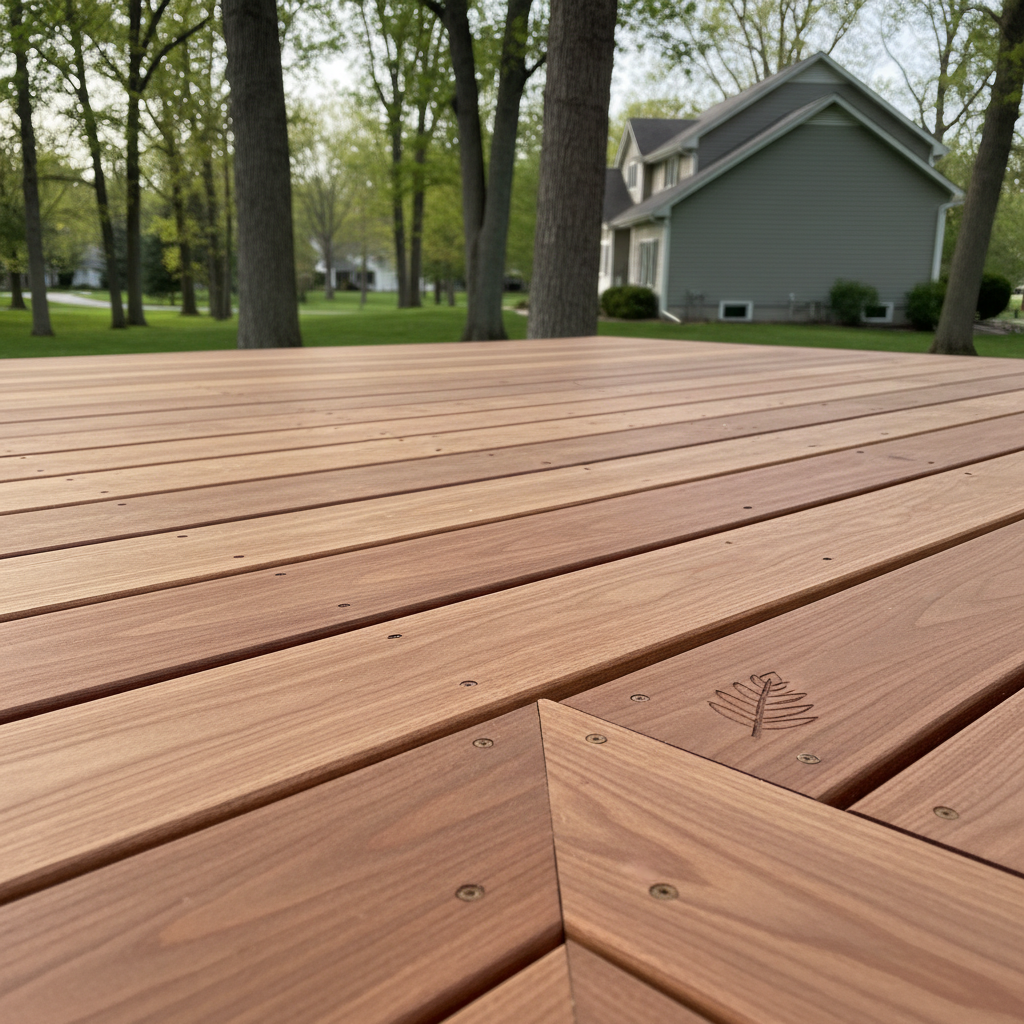
Is Your Deck Really Broken? First, Check It Out.
Before you even think about grabbing tools or or calling me, you need to really look at your deck. I tell all my North Oaks neighbors to do a thorough check-up at least once a year, usually in the spring after the snow finally melts away. You're looking for a few key things, things that can cause real trouble:
- Loose or wobbly railings: Give them a good shake. If they move more than an inch or two, that's definitely a problem.
- Soft spots on the deck boards: Step on every board, especially near the house and around any planters. If it feels spongy, you've got rot.
- Cracked or splintered boards: These aren't just tripping hazards; they can lead to bigger issues if water gets in.
- Loose fasteners: Are nails popping up? Screws backing out?
- Rot or mold: Look closely at the posts, joists, and that ledger board where it attaches to your house. This is critical, really.
- Stairs: Check treads, risers, and stringers for any movement or damage.
Don't ignore small issues, by the way. A little crack can become a big headache, especially with our Minnesota freeze-thaw cycles. Water gets in, freezes, expands, and then boom — you've got a much larger repair on your hands.
What You Can Probably Fix Yourself
Okay, so you've found a few things. Good news is, some common deck problems are pretty straightforward for a handy homeowner to tackle. You don't always need to call in Alpha Deck Builders for every little thing, you know?
- Tightening loose railings: Often, it's just a matter of replacing rusted screws with longer, exterior-grade ones, or adding a few more. Sometimes a carriage bolt through the post and rim joist will really firm things up.
- Replacing a single damaged deck board: If one or two boards are splintered or showing early signs of rot, you can usually cut them out and replace them. Just make sure your new board matches the thickness and material, and use good quality deck screws.
- Hammering down popped nails or replacing with screws: Nails will always work their way up over time. Just pull 'em out and put in some deck screws. They hold much better.
- Cleaning mold and mildew: A good scrub with a deck cleaner (follow directions!) and a power washer on a low setting can make a huge difference.
These are the kinds of jobs that give you a sense of accomplishment and save you some cash. Just make sure you've got the right tools and you're comfortable with basic carpentry.
When It's Time to Call a Professional (Like Us)
There are definitely times when DIY isn't just harder, it's potentially dangerous or could lead to even bigger problems. This is when you absolutely need to call in someone who knows what they're doing.
- Widespread rot: If you've got multiple soft spots, or if the rot is in structural components like joists, beams, or the ledger board, that's a big red flag. The ledger board, especially, is what holds your deck to your house. If it fails, your deck could collapse. This isn't a DIY job, not by a long shot.
- Foundation issues: If your deck posts are sinking, heaving, or leaning, that's a structural problem that needs professional assessment. We see this sometimes in North Oaks, especially with older decks built on soil that wasn't properly compacted or with inadequate footings.
- Major railing instability: If an entire section of railing feels like it's going to give way, or if the posts themselves are rotted at the base, you need a pro to rebuild that section safely.
- Sagging deck: If your deck isn't level anymore, or if you see significant sagging in the middle, that indicates a serious structural issue with the framing.
- Permit required repairs: Any major structural work, like replacing multiple joists or rebuilding a significant portion of the deck, will likely require a permit from the city. A good contractor will handle that for you.
When you're dealing with structural integrity, safety comes first. It's not worth risking injury to yourself or your family to save a few bucks. A professional can assess the damage, make sure the repair meets code, and give you some peace of mind.
After the Repair: Keep It Looking Good
Whether you did the repair yourself or hired Alpha Deck Builders, your work isn't done. Maintenance is key to making that repair last and preventing future issues.
- Clean regularly: Keep leaves, dirt, and debris off your deck. That stuff holds moisture and encourages rot.
- Inspect yearly: Go back to that annual check-up. Catch small problems before they become big ones.
- Seal or stain: Protect your wood! A good quality stain or sealer repels water and prevents UV damage. Make sure you're reapplying it every few years, depending on the product and how much sun your deck gets.
Taking care of your deck isn't just about how it looks; it's about safety and protecting your investment. A well-maintained deck adds value to your home and gives you a great space to enjoy our beautiful Minnesota summers.