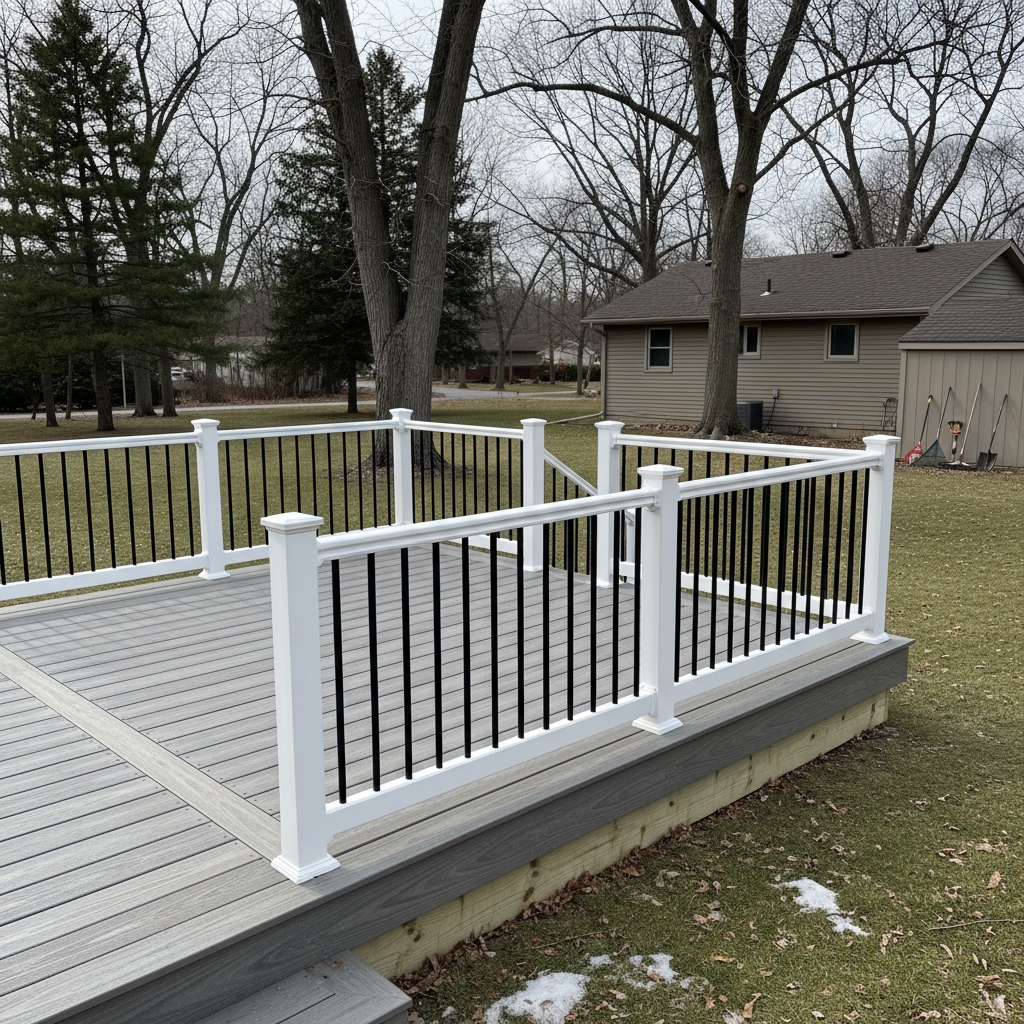
So, you've got a deck, or maybe you're planning one, and railings? They're a pretty big deal. They do more than just keep you safe; they really define the space, add some style, and honestly, they just complete the look. But when you're thinking about getting them installed here in North Oaks, especially with our Minnesota weather, there’s a bit more to think about than just picking out a design.
When's the Best Time to Put Up Railings?
People ask me this all the time. For deck railings, the perfect timing often depends on what material you're using. Generally, spring, summer, and early fall are your best bets. Why? Because we need steady, mild temperatures and dry conditions for most installations to go smoothly and for the materials to set up correctly.
- Spring (April-May): This is a fantastic time. The ground's thawed out, the really cold days are behind us, and we usually get a nice stretch of mild, dry weather. That means less mud for us to track around your yard, and better conditions for things like paint or stain to stick if you're going with wood railings. Plus, you'll have your new railings ready just in time for peak summer fun.
- Summer (June-August): Still a good option, but you do have to watch out for those really hot, humid days or sudden thunderstorms. Extreme heat can sometimes mess with how certain adhesives or finishes behave. We're also usually pretty busy in the summer, so if you wait too long, you might find yourself waiting a bit longer for an open slot.
- Early Fall (September-October): Another prime window. The humidity drops, the temperatures are comfortable, and it's often less rainy than spring. It's a great time to get railings installed before the really cold weather hits, giving any wood finishes a good chance to cure before winter.
What I'd generally tell folks to avoid is late fall or winter. Trying to install railings when it's freezing, snowing, or the ground is rock-hard just makes everything harder. It can also compromise the installation quality, and frankly, it's just not practical for my crew or comfortable for you.
How Minnesota Weather Impacts Railing Work
Our North Oaks climate, with its wild swings from hot, sticky summers to brutal, snowy winters, means we really pay attention to the weather conditions during an installation.
- Temperature: Most railing materials, especially those that use adhesives, sealants, or finishes (like paint or stain on wood), have an ideal temperature range. Too cold, and things won't cure right. Too hot, and they might dry too fast or become tough to work with. We're always checking the forecast to make sure we're installing under the best conditions possible.
- Moisture: Rain and high humidity are big no-nos for many railing installations. If you're getting wood railings, we certainly don't want to install them when the wood is soaking wet, as it can lead to warping or issues with finishes down the road. For composite or metal railings, rain isn't as big of a deal during the actual assembly, but it sure makes working messy and slippery for us. We'll always aim for dry days.
- Wind: Strong winds can make working on a deck, especially with longer railing sections, pretty challenging — and even dangerous. It's not just about us; it's about making sure everything lines up perfectly without fighting the elements.
For instance, if you're getting a beautiful aluminum railing system, the actual assembly isn't quite as sensitive to temperature and moisture as, say, a custom cedar railing that needs staining. But even with aluminum, we still need good, clear visibility and safe working conditions. Makes sense, right?
Protecting Your Railing Investment Year-Round
Once those railings are up, you want them to last, don't you? Here's how to keep them looking sharp through all our North Oaks seasons:
- Regular Cleaning: This is probably the easiest thing you can do. A simple wash with mild soap and water a couple of times a year will get rid of dirt, pollen, and grime. For composite or vinyl railings, that's usually all you need. For wood, it helps keep mildew from forming. Make sure to really get into those corners and crevices where gunk loves to build up.
- Winter Prep: Before the snow starts to fly, give your railings a good clean. If you have wood railings, check the finish closely. If you spot any peeling or fading, think about a light sanding and re-stain or paint in the spring. Also, try to make sure snow doesn't pile up against the base of your railings for long periods, especially if they're wood. That constant moisture can really do a number on them.
- Hardware Check: Annually, usually in the spring, take a walk around your deck and check all the screws, bolts, and fasteners. Our freeze-thaw cycles can sometimes cause things to loosen up a bit. A quick tighten can prevent bigger problems down the road. This is especially true for those heavy, ornate railings you see in some of the older North Oaks homes.
- Material-Specific Care:
- Wood: Keep an eye on the finish. Most wood railings will need re-staining or painting every few years, depending on how much sun they get and the type of finish. Don't let it go too long, or you'll have a much bigger job on your hands.
- Composite/Vinyl: These are pretty low-maintenance. Just keep them clean. Avoid harsh, abrasive cleaners that could scratch the surface.
- Metal (Aluminum/Steel): These usually come powder-coated for durability. If you happen to notice any deep scratches that go through the coating, touch them up quickly to prevent rust, especially on steel.
Taking a little time each year to inspect and clean your railings will extend their life and keep your deck looking fantastic. It's an investment, and like any investment, a little care goes a long way. If you ever have questions about your railings, or you're thinking about an upgrade, you know where to find Alpha Deck Builders. We're always happy to talk shop.